
NOAA’s winter outlook favors warmer-than-average temperatures for the Midwest this winter because of a strong El Niño, but a warmer winter does not mean an easy one for your roof. In Racine and Kenosha, milder weather often means more freeze-thaw cycles, and that is what opens up shingles, flashing and gutters. Winter roof prep in Racine still matters: clear the gutters, check flashing and vents, and make sure your attic is insulated and vented before the snow sticks.
Want your roof checked before the snow? Call (262) 822-1231 for a free estimate.
Key takeaways
- NOAA’s outlook leans warm for the Midwest from December through February, but it does not forecast snowfall.
- Warm spells followed by cold snaps create freeze-thaw cycles that are hard on roofs and gutters.
- Ice dams can still form in a mild winter whenever snow sits on a roof over a warm attic.
What NOAA is forecasting
On October 15, 2026, NOAA released its U.S. Winter Outlook for December 2026 through February 2027. A strong El Niño is expected to shift the jet stream south, which tilts the odds toward:
- Warmer-than-average temperatures across the northern U.S., including the Midwest.
- Drier-than-average odds for some areas around the Great Lakes.
- Stormier weather across the southern U.S.
These are odds, not promises. NOAA updates its outlook every month, and a “warm” winter on average can still include sharp cold snaps.
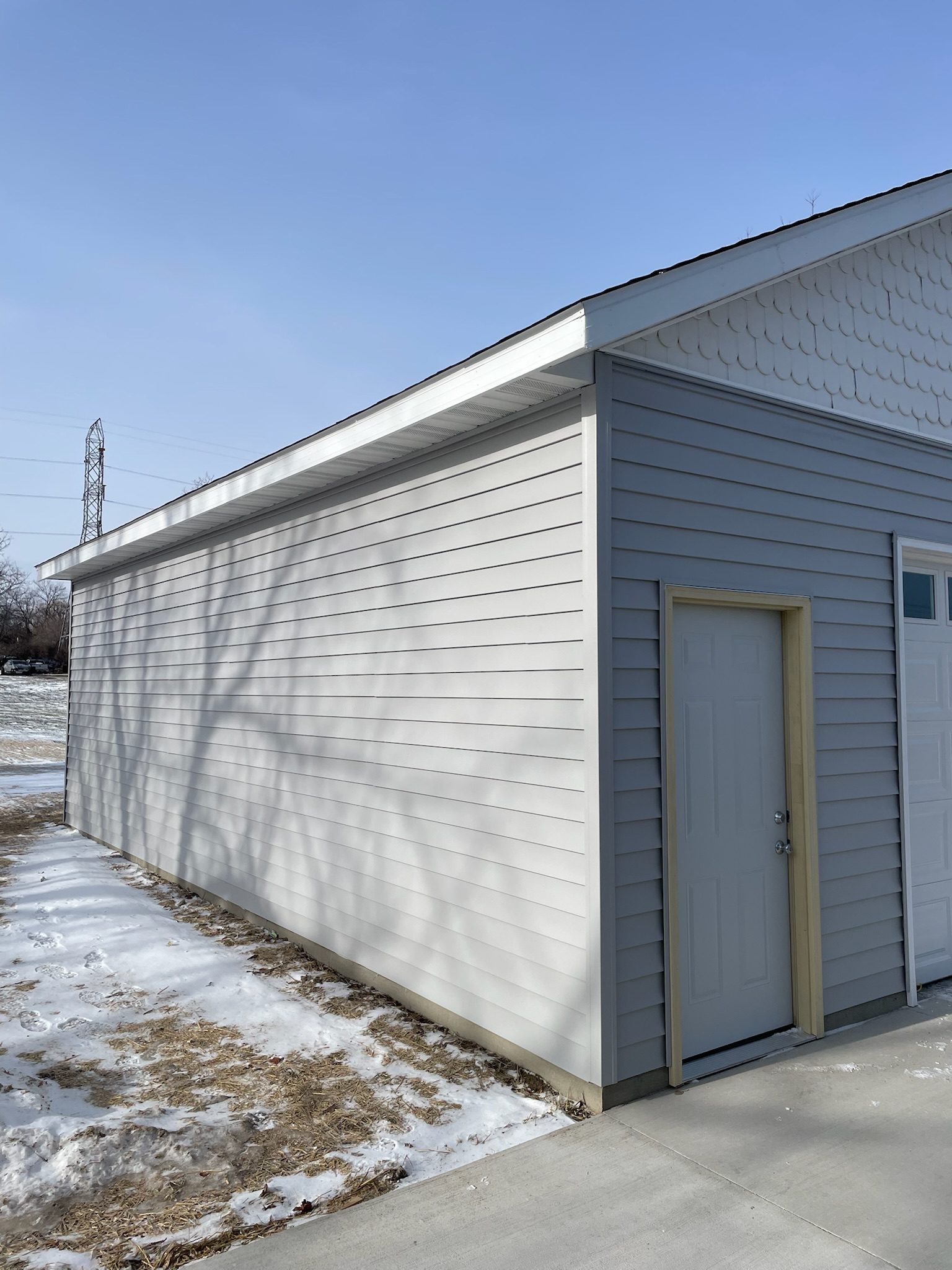
A tight, well-sealed roof is the best defense against a winter of freeze and thaw.
Warmer does not mean no snow
NOAA is clear that its seasonal outlook does not predict snowfall totals, because snow is generally not predictable more than about a week ahead. Southeast Wisconsin can get a heavy, wet snowstorm in a mild winter. In fact, heavy wet snow is often what comes with temperatures near freezing.
So plan for snow on your roof at some point. Our guide on roof snow load in Racine and Kenosha explains when snow weight is worth worrying about and when it is not.
Freeze-thaw and your roof
Here is why a mild winter can be harder on a roof than a steady cold one. When the temperature swings above and below freezing, water gets into small gaps during the day and expands as ice at night. Over a season, that repeated cycle:
- Lifts and loosens shingles that already have weak seals.
- Opens gaps around flashing at chimneys, skylights and walls.
- Pushes gutters away from the fascia as ice builds and melts.
- Cracks old sealant around vent pipes and roof penetrations.
A roof that is in good shape handles this fine. A roof with a few small problems tends to show them by spring, usually as a leak or a stain on a ceiling.
Get Your Free Estimate
Want your roof checked before the weather turns? Call (262) 822-1231 for a free estimate.
Ice dams still happen
An ice dam forms when heat from the house melts snow on the upper roof, the water runs down and refreezes at the cold eaves, and the ridge of ice traps more water behind it. That water can back up under shingles and into your walls or ceilings.
All it takes is snow on the roof and a warm attic, so ice dams are possible in any winter with snow. We cover causes and fixes in detail in our post on ice dams on Racine lakeshore homes.
Pre-winter checklist
You can do much of this from the ground or from inside the house. Never climb onto a wet, icy or steep roof.
Gutters and downspouts
- Clear leaves and debris so meltwater has somewhere to go.
- Make sure downspouts carry water away from the foundation.
- Look for sagging sections or loose hangers. Our post on winter gutter prep in Caledonia and Franksville has a full list.
Roof surface and flashing
- From the yard, look for lifted, curled or missing shingles.
- Check that flashing around the chimney and walls is tight.
- Look at rubber boots around vent pipes for cracks.
Attic
- On a cold day, check for frost on the underside of the roof deck or on nail tips.
- Look for thin or uneven insulation and blocked soffit vents.
- Good attic ventilation and insulation keeps the roof deck cold, which is the long-term fix for ice dams.
When to call a roofer
Some things are worth a professional look before winter settles in:
- Shingles in the yard after a windy day.
- Water stains on ceilings or around the chimney.
- Gutters pulling away from the house.
- Frost or damp spots in the attic.
- A roof that is near the end of its life and has not been looked at in a few years.
A roof inspection now is easier than an emergency repair in January. We serve homeowners across Racine, Kenosha, Wind Point and nearby communities, and estimates are free.
Frequently asked questions
Will this winter be mild in Wisconsin?
NOAA’s 2026-27 outlook favors warmer-than-average temperatures for the Midwest because of a strong El Niño, but it does not forecast snowfall and big storms are still possible.
Can ice dams form in a warm winter?
Yes. Ice dams form when roof snow melts from attic heat and refreezes at the cold eaves, which can happen in any winter with snow.
What should I do to my roof before winter?
Clear gutters, check flashing and vents, look for lifted shingles from the ground, and make sure the attic is insulated and vented.
Is freeze-thaw bad for shingles?
Repeated freezing and thawing works water into small gaps and can loosen shingles, flashing and gutters over a season, so small problems tend to grow in a mild, up-and-down winter.
Sources
- El Nino looms large over U.S. Winter Outlook, NOAA, Oct 15, 2026
Related services and resources
Residential Roofing
Roof repairs, full replacements and free estimates.
Roof Inspections
A clear look at your roof before small problems grow.
Service Areas
Racine, Kenosha and the surrounding communities we serve.
Homeowner Resources
More guides from the Axis team on roofs and remodeling.
Ready to talk about your project?
Local roofing and remodeling, licensed and insured, BBB A+ Rated, serving Racine and Kenosha counties since 2009. Call (262) 822-1231 for a free estimate.